
Topic ID No.: 2026-G03
Title of research topic:
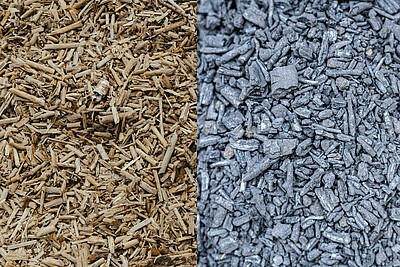
A comparative assessment of the effects of biochar producing feedstock types on the nutrient content of biochar and its nutrient release characteristics
Description:
Comparing the effects of different biochar compositions
- Feedstock classification in determining biochar nutritional value
Target region or country (if applicable):
Malawi,Topic is not yet linked to a specific country, but South Africa and/or Malawi are feasible options
Topic background information / scientific relevance:
Biochar is a carbonized biomass obtained from sustainable sources and sequestrated in soils to sustainably enhance agricultural and environmental value under present and future management (Biochar for Sustainable Soils, 2025). Globally, the demand of food supply has increased due to high population which has led to soil degradation, environmental degradation and nutrient depletion in soils. Biochar has emerged as a key initiative to improving soil quality, agricultural practices and addressing environmental concerns such as climate change. Different raw materials, or feedstocks, are key components to the production of biochar that is from agricultural waste, food waste, yard waste, and other sources. These, dependent on the type of material and sources, contain various nutrient levels (nitrogen, potassium, phosphorus and micronutrients). Despite the blooming interest in biochar, there is limited comparative data on feedstock nutritional composition and the subsequent biochar nutritional value and quality. Generating such data is important to optimizing biochar production and its field application thus ensuring biochar’s effectiveness as a soil amendment in improving agricultural productivity and reducing potential negative environmental effects.
Research objectives:
To investigate the effects of biochar producing feedstock type on the nutrient content of biochar and its nutrient release characteristics.
1. To characterize different biochar producing feedstocks for their nutrient composition and the nutrient composition of the biochar produced from these feedstocks.
2. To examine the relationship between feedstock and biochar nutrient release dynamics and accessibility by plants.
3. To develop recommendations for selecting suitable feedstocks and boosting biochar production for crop productivity and nutrient recycling.
Required skills and qualifications of the applicant:
Master Degree in Agriculture, Environmental Management, or a similar background, experience working/ doing science in tropical countries, Practical experience on biochar production and utilization, experience in either Lab work and field experiments, or both, very good data analysis and interpretation skills, good communication skills in English, both written and orally.
Contact person and institute in charge:
Dr. Marc Cotter. University of Hohenheim. Institute for Agricultural Sciences in the Tropics (Hans-Ruthenberg-Institute)